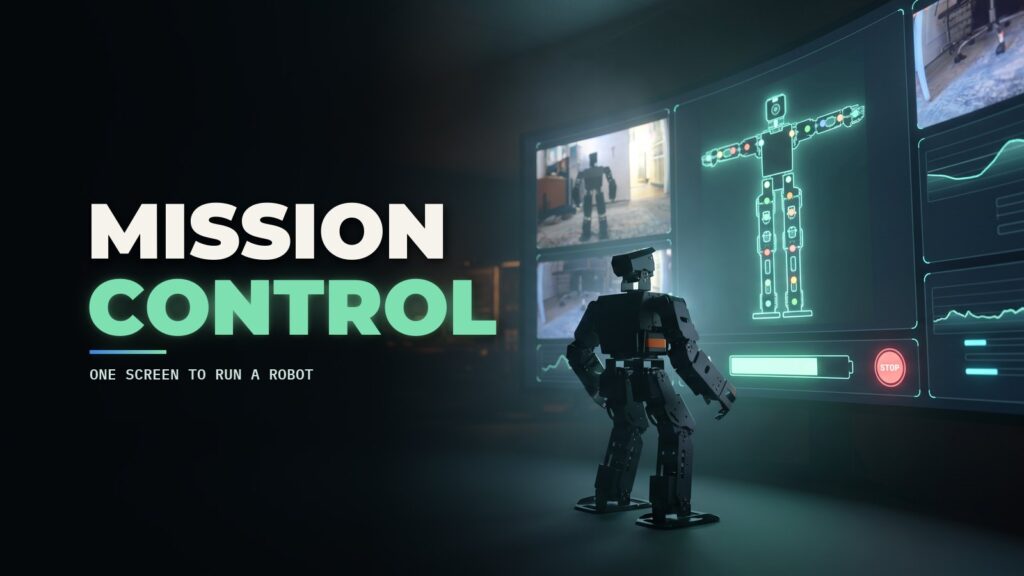
One Screen to Run a Robot: Inside AdamAI’s Mission Control
Mission Control is a single dashboard for AdamAI: his camera views, a live picture of his body and joint health, his memory, a chat box to talk to him, and a red stop button.
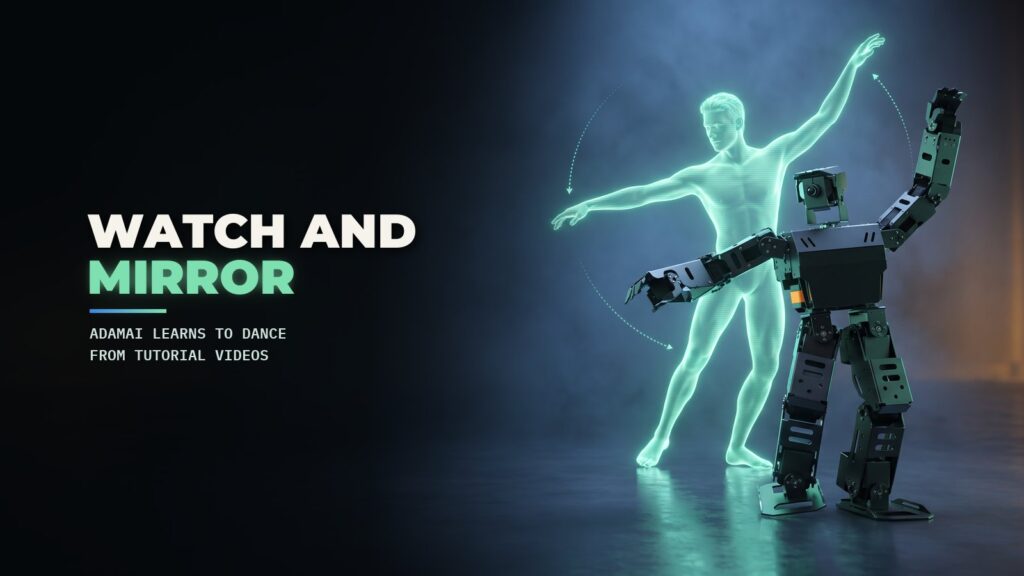
We built AdamAI a dance studio. He watches an ordinary tutorial video, mirrors the moves on his own body, saves the routine, and we compare his moves to the dancer to fix the misses.
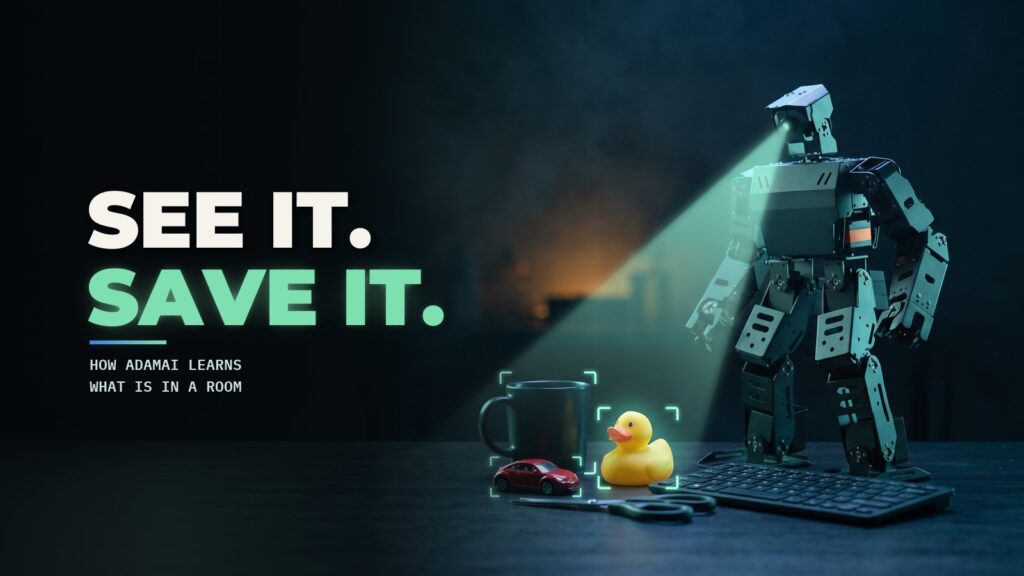
How AdamAI looks around a room with the camera in his head, learns new objects by being shown them once, and recognizes them again later from a single memory.
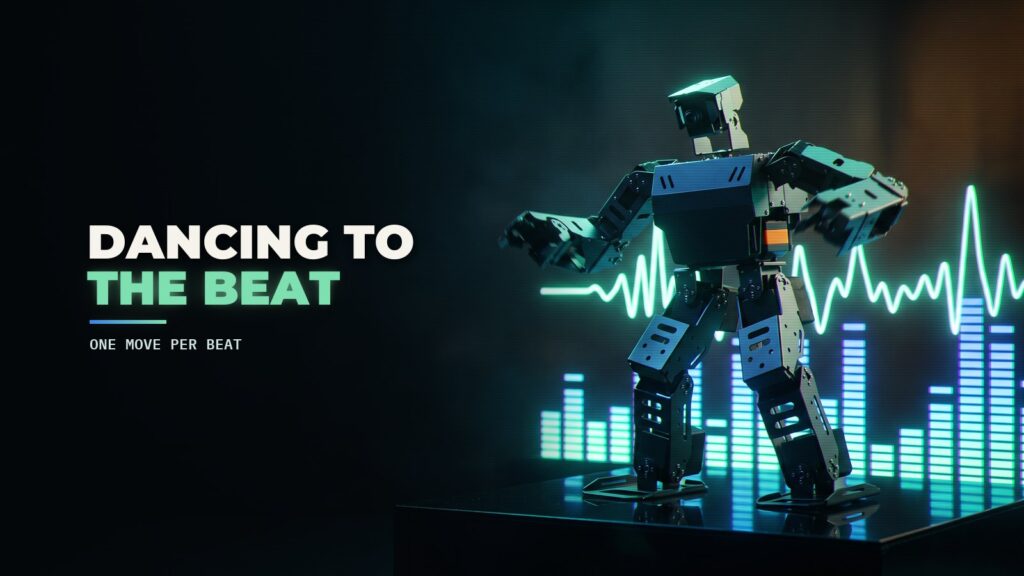
My robot reads a song’s beat and dances to it, one pose per beat, with arms, hips and knees in time. Then I cut it into a retro music video.
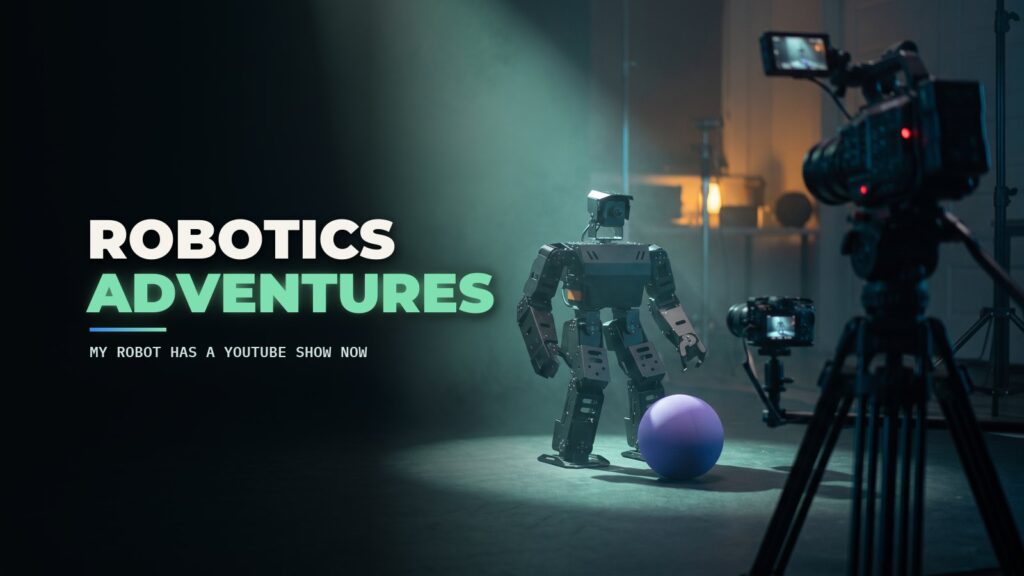
My robot now has his own YouTube series, ROBOTICS ADVENTURES. Each episode is cut from his eye view and two room cameras, and getting his voice to land at the right moment was the hard part.
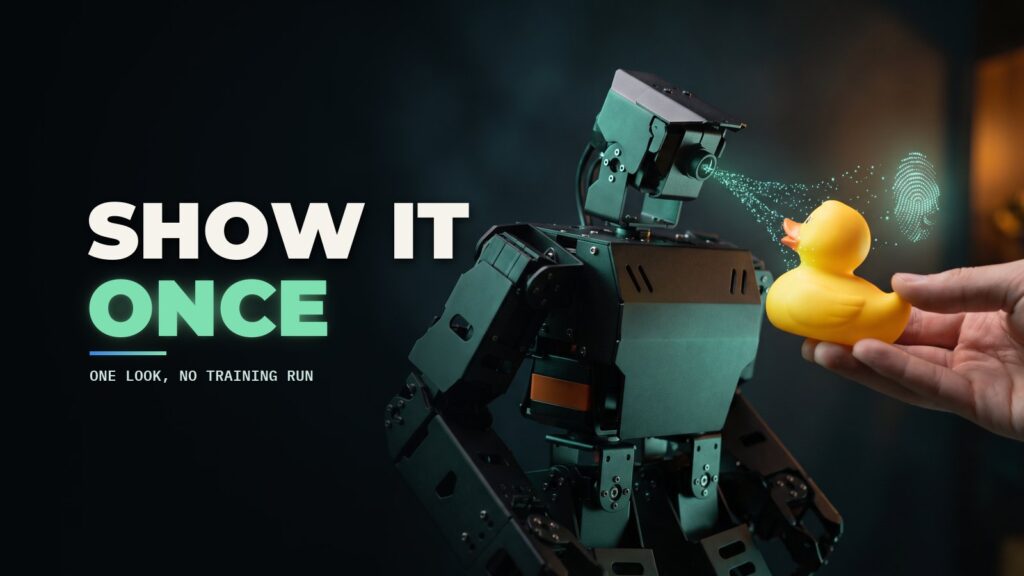
My robot can now look at an object once and remember it, with no dataset and no training run. In one scan of my table he learned sixteen new things and named them out loud.
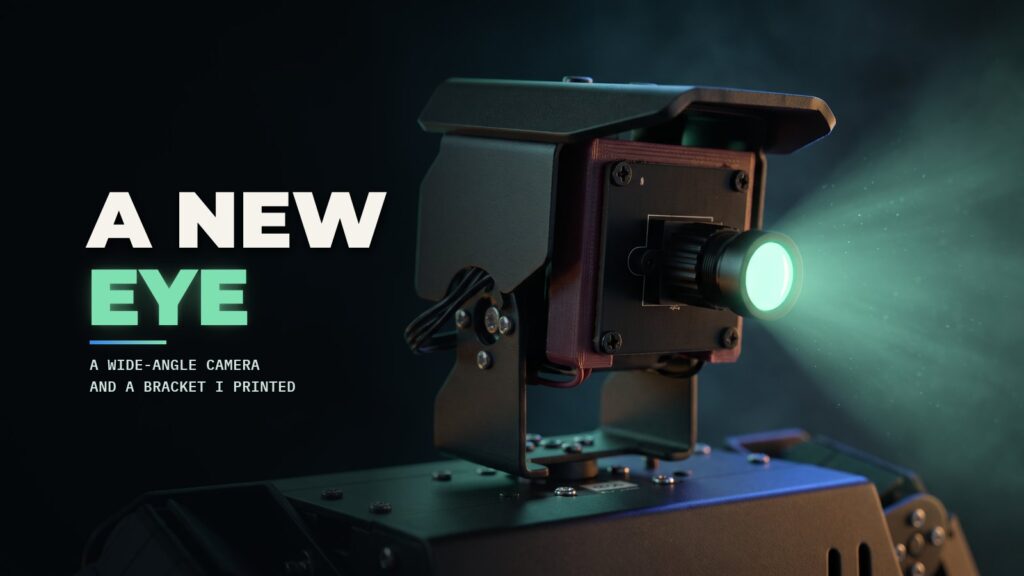
I gave my robot a new 130 degree wide-angle camera for nineteen dollars, designed and 3D printed a bracket to hold the bare board on his head, then fixed his color and distance math.
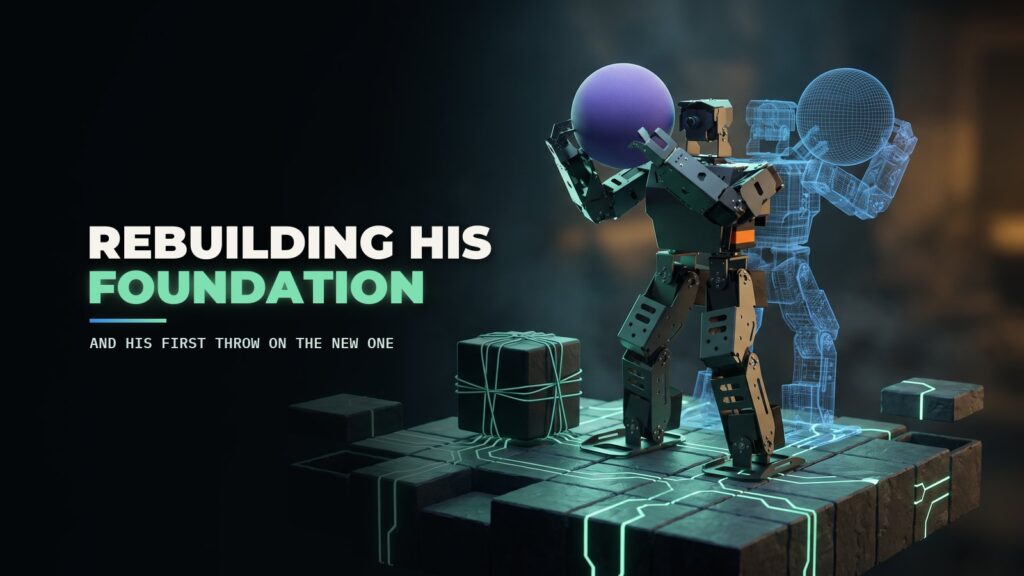
I rebuilt my robot’s software on a modern foundation, found real bugs along the way, and fixed a setting behind months of falls. Then he did his first full throw on the new setup.
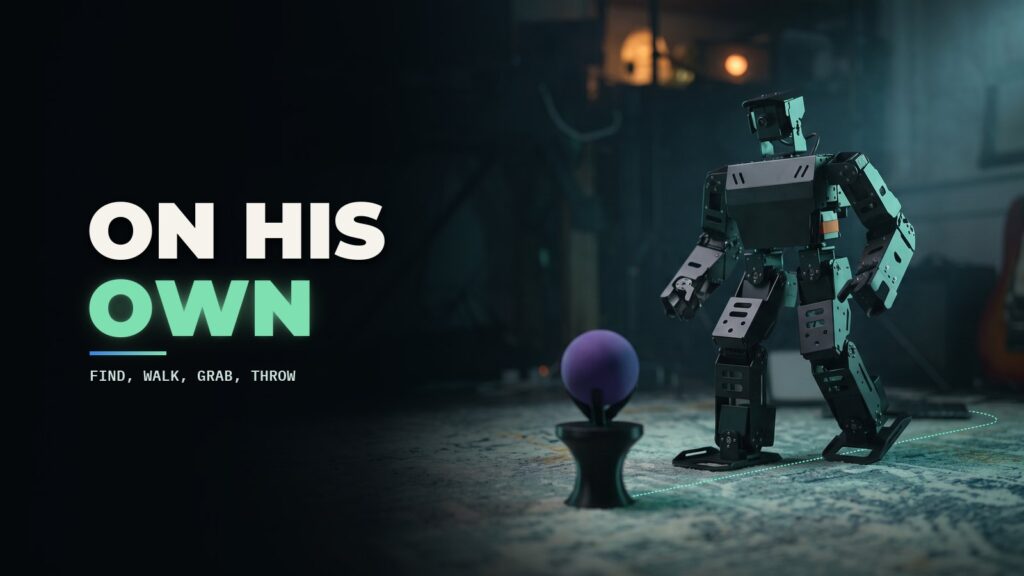
My robot finds a ball, walks to it, grabs it and throws it on his own, with no cloud and no remote. Here is what it took, including the time his memory learned the wrong things.
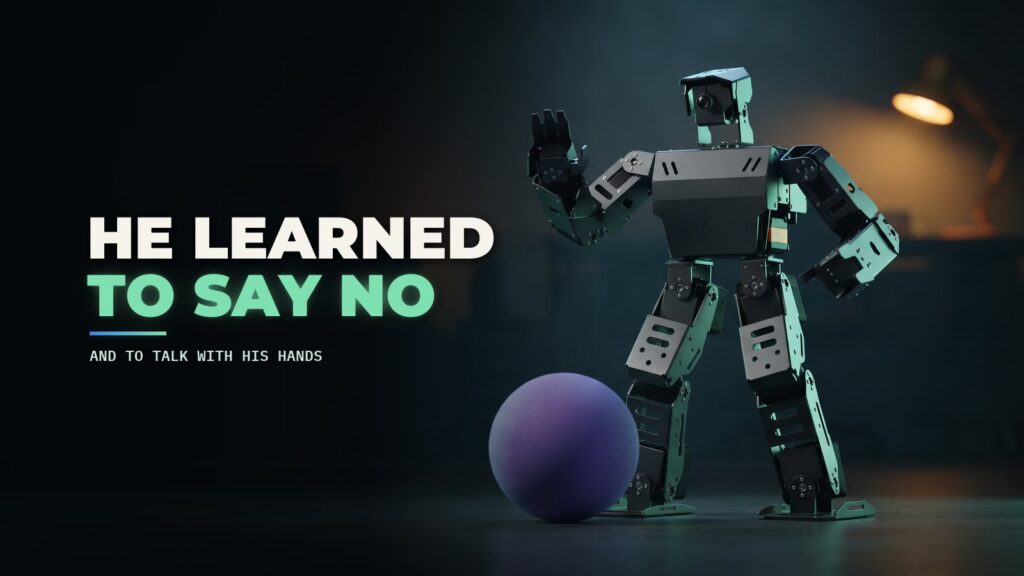
Two new episodes about judgment: my robot learned to walk straight from his first step, to gesture while he talks, and to refuse a grab that is not lined up right.
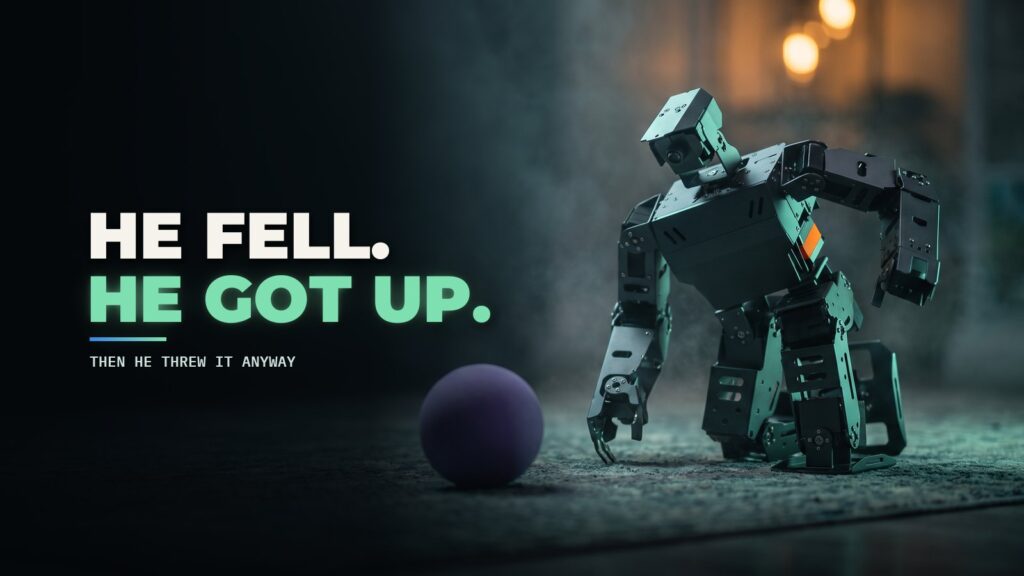
The day after his first autonomous throw, my robot had his worst night and his best day. He poisoned his own memory, fell, got back up, and made two more throws.
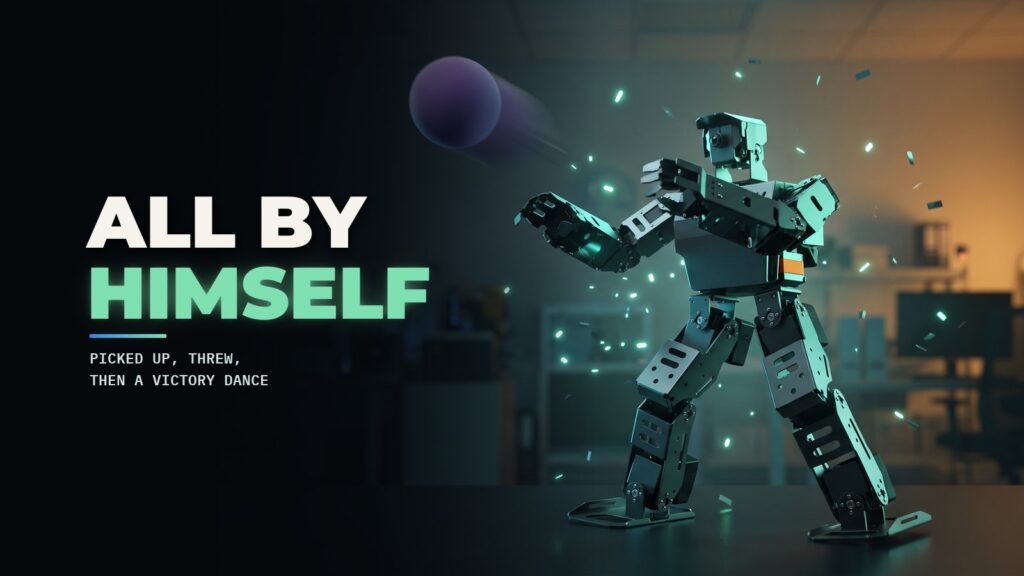
For the first time, my robot found the ball, walked to it, picked it up, threw it and did a victory dance with no help from me. Here is how, and the attempts that got him there.
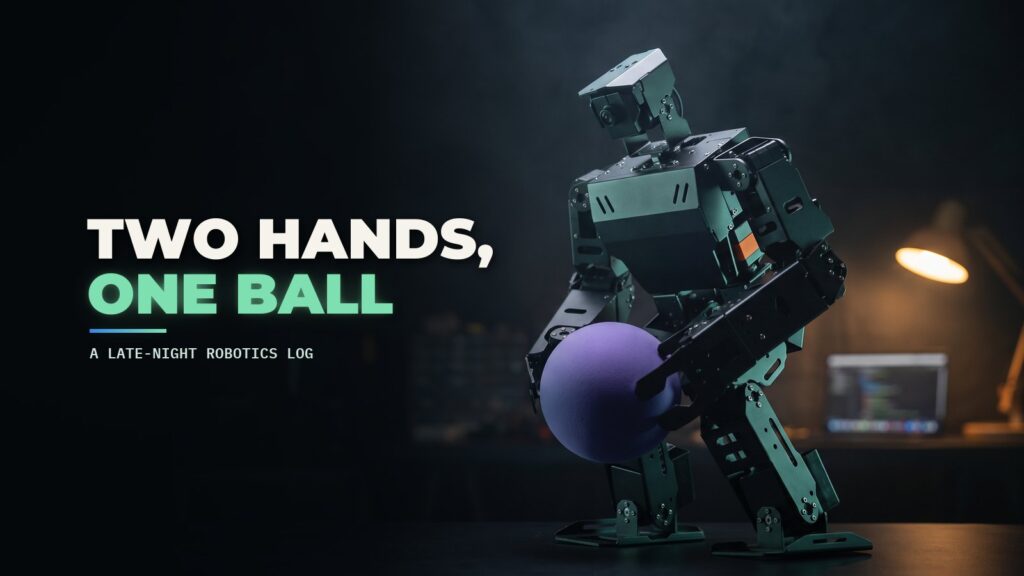
A late-night log of teaching my AiNex humanoid to find a foam ball, walk over and pick it up with both arms on his own, including the dead ends and the fix that worked.
The day after his first autonomous throw, my robot had his worst night and his best day. He poisoned his own memory, fell, got back up, and made two more throws.
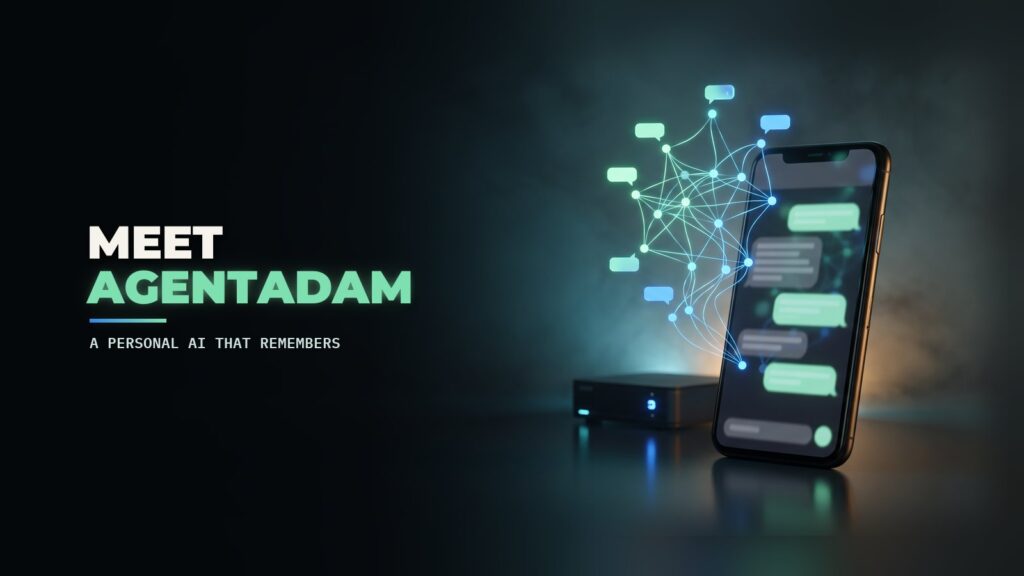
AgentAdam is my personal AI assistant. It runs on my own hardware, chats with me over WhatsApp, and remembers our conversations and projects.
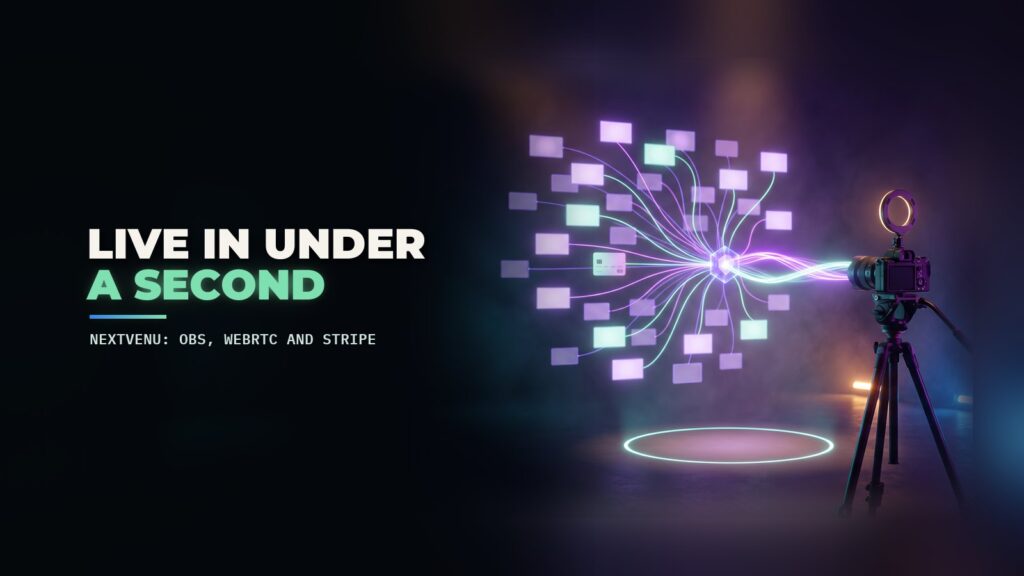
How NextVenu fits together: OBS for production, WebRTC through MediaMTX for sub-second live video, and Stripe Connect to pay creators.
An AI pipeline that writes WooCommerce product descriptions, and what I learned building it: watch API costs, write specific prompts, and always have a person review before publishing.
The day after his first autonomous throw, my robot had his worst night and his best day. He poisoned his own memory, fell, got back up, and made two more throws.
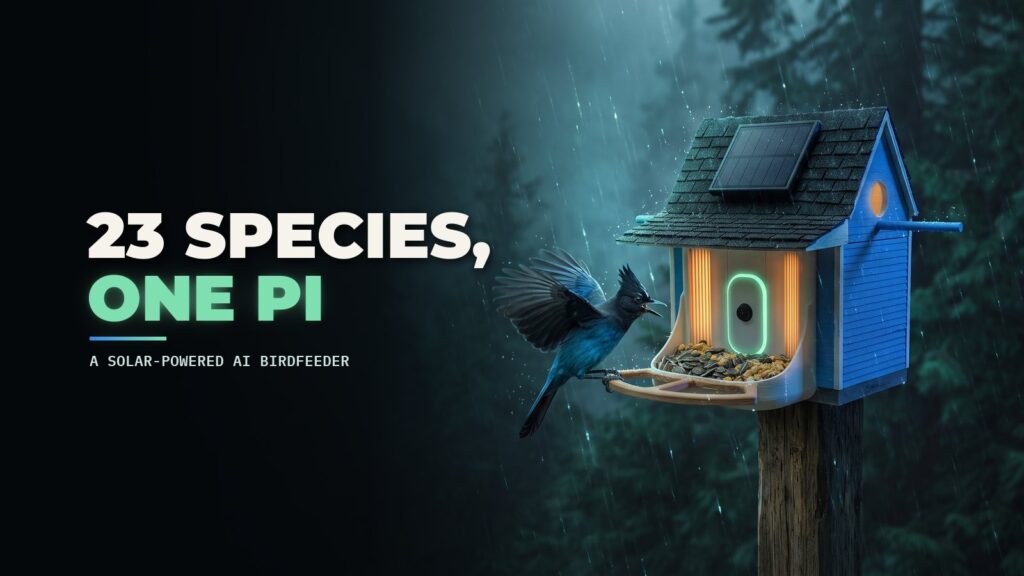
I built a solar-powered birdfeeder with a Raspberry Pi and camera that identifies birds on the device. In three months it logged 23 species and over 5,000 photos.
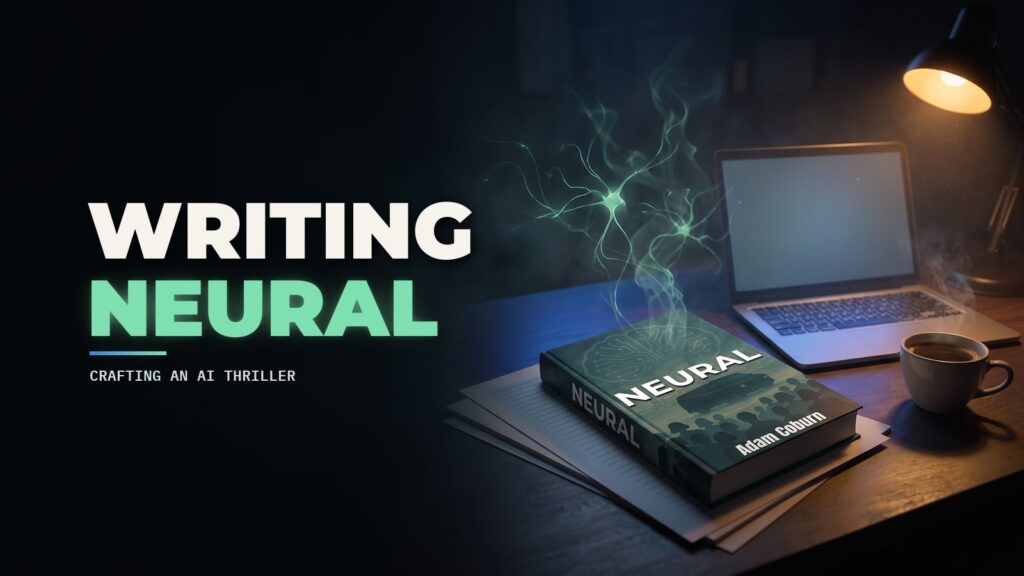
How I wrote Neural, my AI thriller.
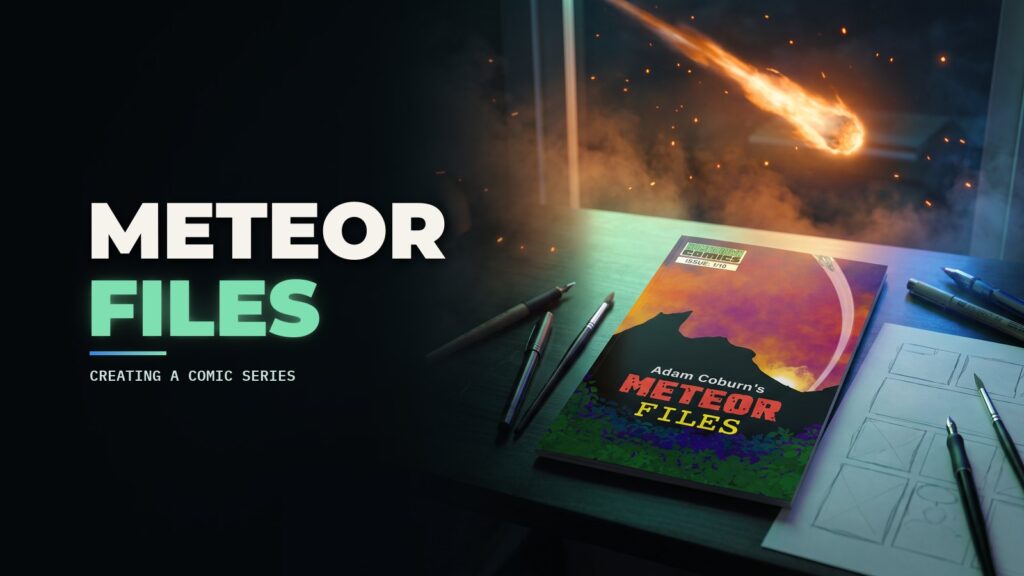
How I created the Meteor Files, my comic book series.
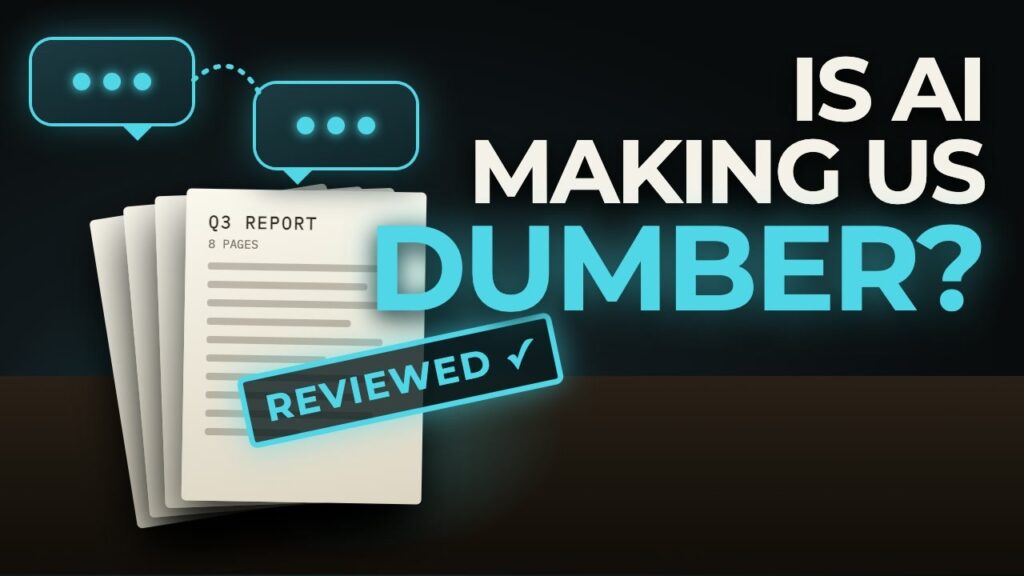
What the research says about handing our thinking to AI, from phone numbers to first drafts
I tried to spend ten billion dollars on the next great AI. Every line I called was already full.
Yudkowsky and Soares wrote a forty-page extinction story in 2025. I went back through it, looking for the pieces real AI systems have done since.
A trained AI model fits on a drive. So why does the building keep getting bigger, and who pays for it?
The people building AI promise a world of plenty. I went looking for the part of the plan that says who gets paid.
If machines end up doing more of the work, our neighborhoods may have to do more of the providing. Here is what that could look like, and who would pay for it.
A smarter AI and a safer AI are separate goals. Here is the research on why one doesn’t hand you the other.
Lab notes from a third of the way through training AdamAI Genesis, a 114-million-parameter model we’re growing from scratch.
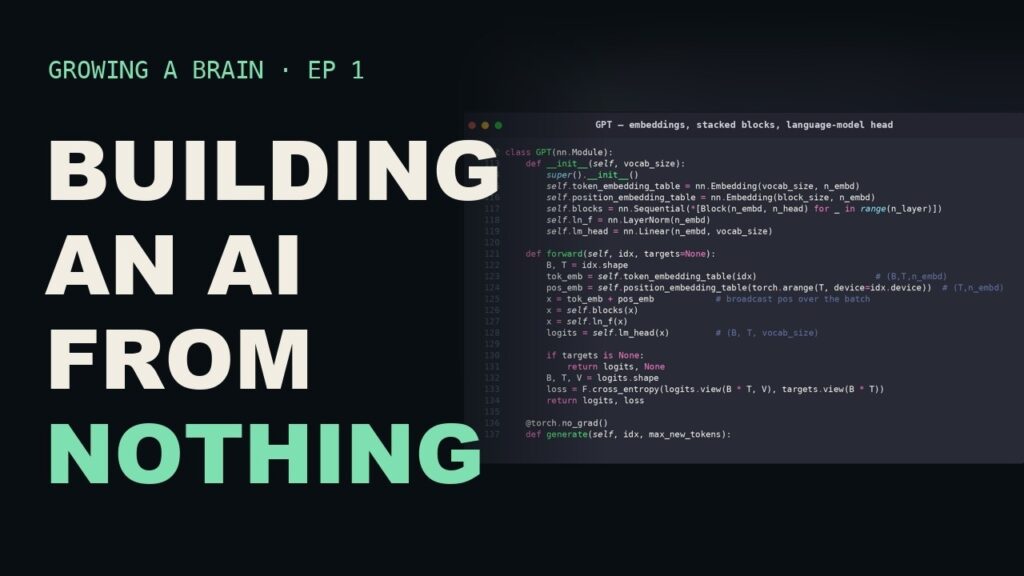
From 65 characters and a lookup table that writes gibberish to a small GPT that writes in the shape of a play.